
SOLD OUT FOR 2026 SEASON
American Elderberry Plants for Sale in Missouri
Missouri-grown rooted American elderberry plants for backyard gardens, homesteads, and commercial orchard plantings.
We offer live elderberry plants selected for Midwest performance, cold hardiness, fruit production, and long-term field reliability.
Why Grow With Twilight Grove
Missouri-grown rooted plants
Licensed nursery partnership with Blue Fox Farm
Cultivars selected for Midwest conditions
Real farm experience with orchard establishment
About American Elderberry
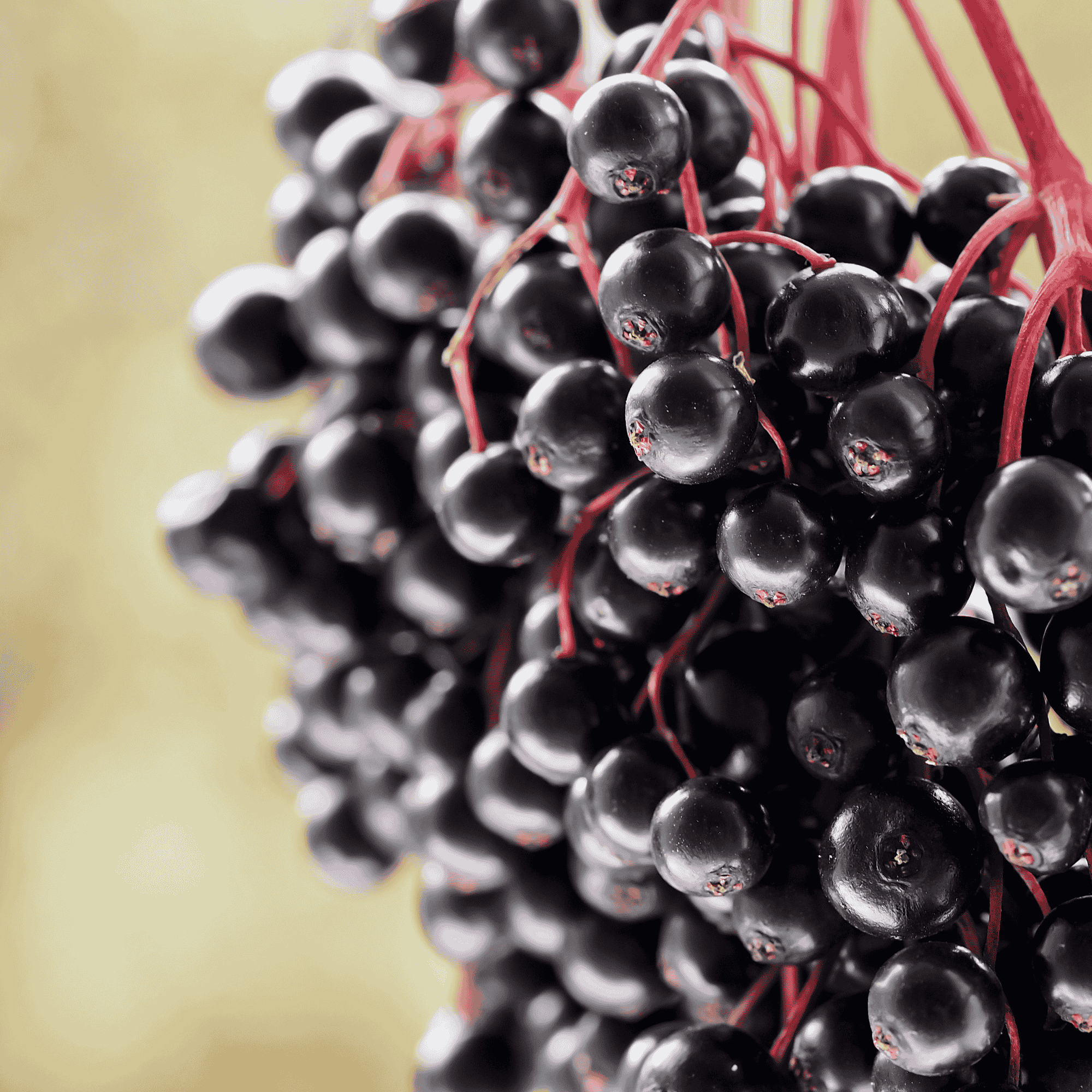
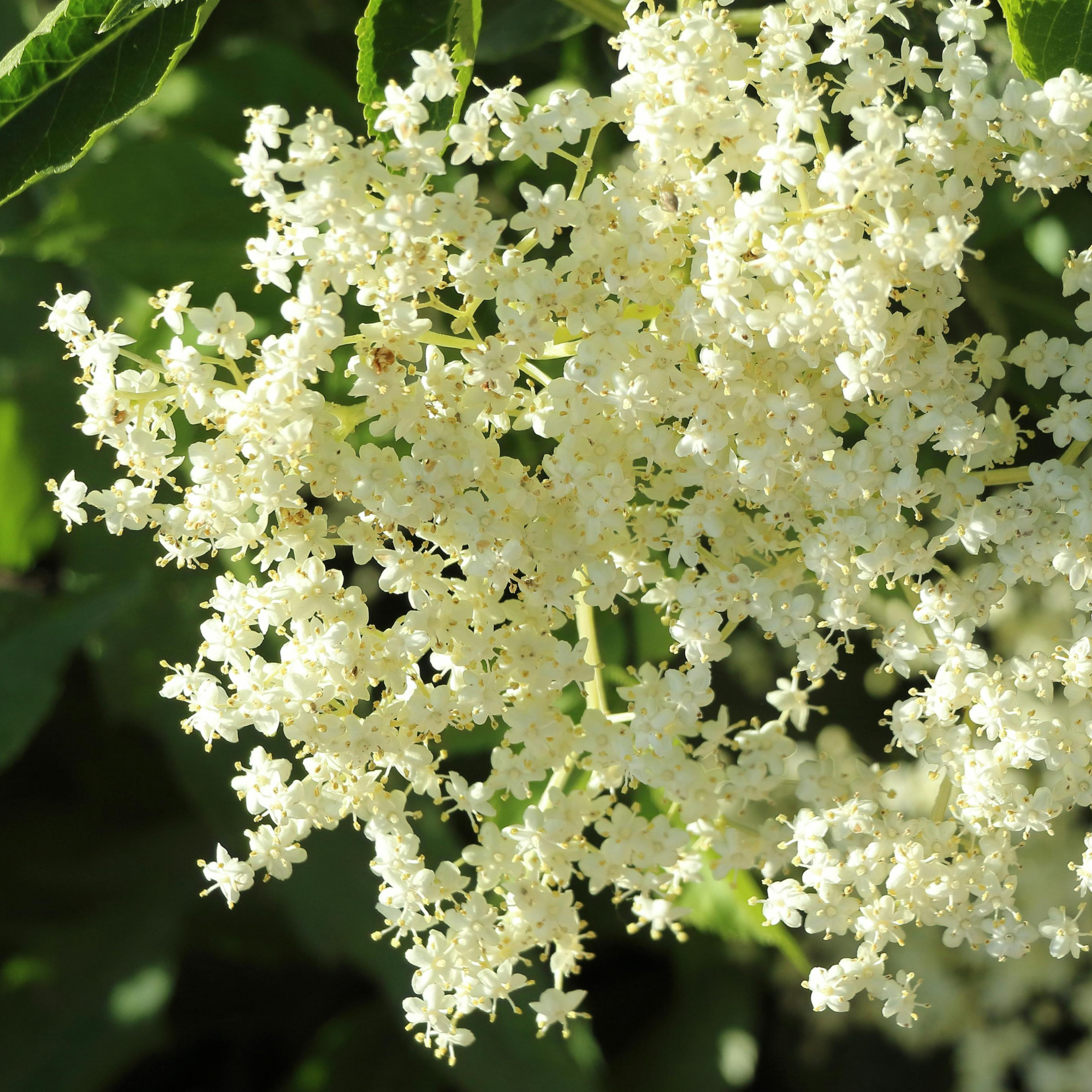
American elderberry (Sambucus nigra ssp. canadensis) is a productive perennial shrub well-suited to Midwest and northern growing conditions. It can be grown for home use, edible landscaping, and commercial fruit production.
Selecting regionally adapted cultivars is important for pollination, fruit set, winter survival, and long-term orchard performance.
Who These Elderberry Plants Are For
Backyard Growers
Great for edible landscaping, hedgerows, and home fruit production.
Homesteads
A strong fit for growers interested in syrup, juice, jam, and farmstead use.
Commercial Plantings
Suitable for orchard systems and farm-scale elderberry production.
Shop American Elderberry Plants
Choose from proven cultivars selected for Midwest performance, pollination compatibility, and long-term field success.
Seasonal availability. Pre-orders recommended.
Choosing the Right Elderberry Cultivars
Plant More Than One Variety
For best pollination and fruit production, plant at least 2–3 different cultivars within roughly 50–60 feet.
Match Cultivars to Your Goals
Some growers prioritize yield, some want easier harvest timing, and others need plants suited for smaller spaces or mixed homestead plantings.
Use Regionally Adapted Plants
Midwest-adapted cultivars are better suited to local growing conditions and long-term field success than generic offerings with unknown performance.
Missouri-Grown, Regeneratively Produced
Rooted and Established
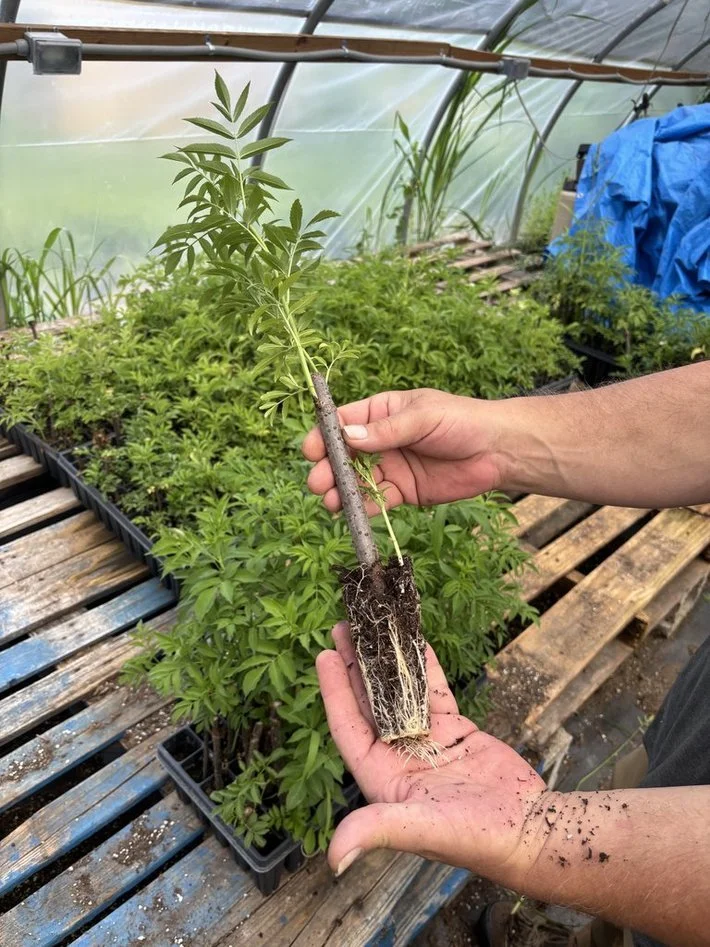
Our live plants are carefully rooted and selected for healthy establishment.
Chosen for Field Reliability
Each cultivar is selected for productivity, hardiness, and long-term performance.
Backed by Farm Experience
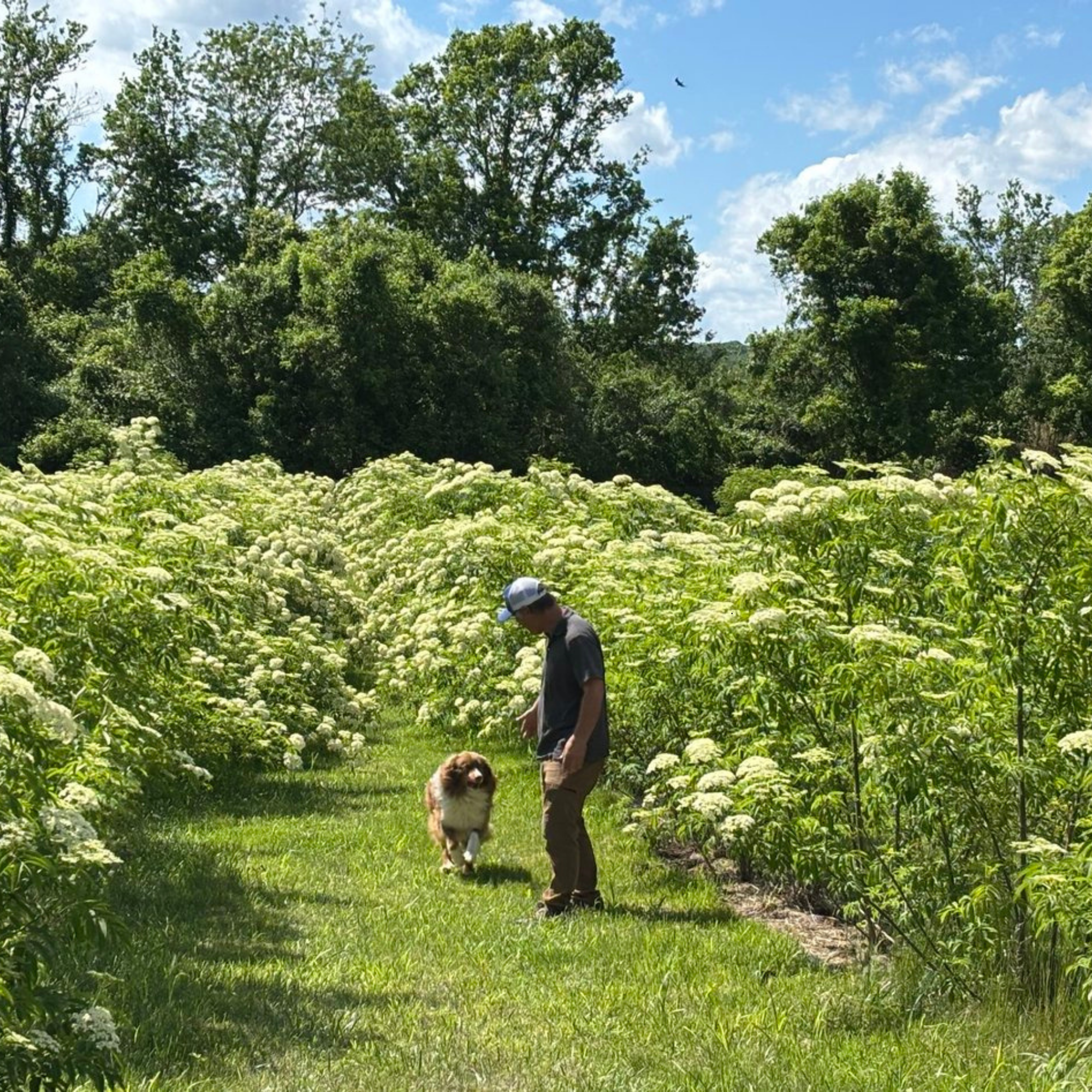
As working elderberry growers building our own orchard in northwest Missouri, we understand cultivar selection, spacing, pollination, and long-term care.
Pickup and Shipping
Local Pickup
Local pickup is available in Kansas City North for select orders.
Seasonal Shipping Pre-Orders
Plants ship seasonally during May and are packaged to protect moisture and structure during transit. If you would like earlier seasonal shipping, send us a message in inquire.
Planning a Larger Elderberry Planting?
If you’re planting for a farm, orchard, or larger homestead system, we can help guide cultivar selection, pollination planning, and quantity ordering.
Learn More Before You Plant
Explore our cultivar guides, elderberry growing resources, and farm blog posts to learn more about planting, pollination, and orchard planning.
Frequently Asked Questions
-
Yes. Plant at least 2–3 cultivars within close proximity for best fruit set.
-
Most cultivars ripen in August to early September depending on weather.
-
4–6 feet within rows and 10–14 feet between rows.
-
No. Our American elderberry plants are produced through a licensed nursery partnership using regenerative soil practices. No synthetic fertilizers or chemical pesticides are used in production. Cover crops are incorporated to build long-term soil health, and plants are grown in fertile Missouri creek-bottom soils.
-
Regenerative growing practices focus on improving soil health over time rather than relying on synthetic inputs. Our nursery partner uses cover crops and natural soil fertility instead of synthetic fertilizers, allowing plants to develop strong root systems in biologically active soils.
This approach supports long-term plant resilience and field performance.
-
No. These are rooted plants with soil attached and an established root system. Plants are shipped with roots secured and protected to maintain moisture and structural stability during transit.
-
During the first growing season, regular watering is important for establishment. Once established, many cultivars — especially Ranch — are highly drought tolerant. Site conditions and rainfall patterns will influence long-term water needs.
-
Most American elderberry plants begin producing light fruit in their second growing season, with stronger production typically beginning in years two to three, depending on growing conditions and pruning practices.
-
Elderberries fruit on new wood. Annual late-winter pruning encourages vigorous new cane growth and supports consistent berry production. Many growers remove older canes to maintain productivity.
-
While elderberries are partially self-fertile, planting at least 2–3 cultivars significantly improves fruit set, cluster fill, and overall yield. Mixed plantings provide more reliable production over time.
-
Yes. We offer bundle pricing and can coordinate larger orders. For plantings of 150+ plants, freight coordination is required. Contact us directly to discuss logistics and planning.
-
Fully ripe American elderberries (Sambucus nigra ssp. canadensis) contain lower levels of cyanogenic compounds than European elderberries. While ripe berries may be eaten in small amounts, stems and unripe berries should not be consumed. Many growers prefer to cook elderberries before use.
Have Questions?
We'll review your message and get back to you within 48 hours.